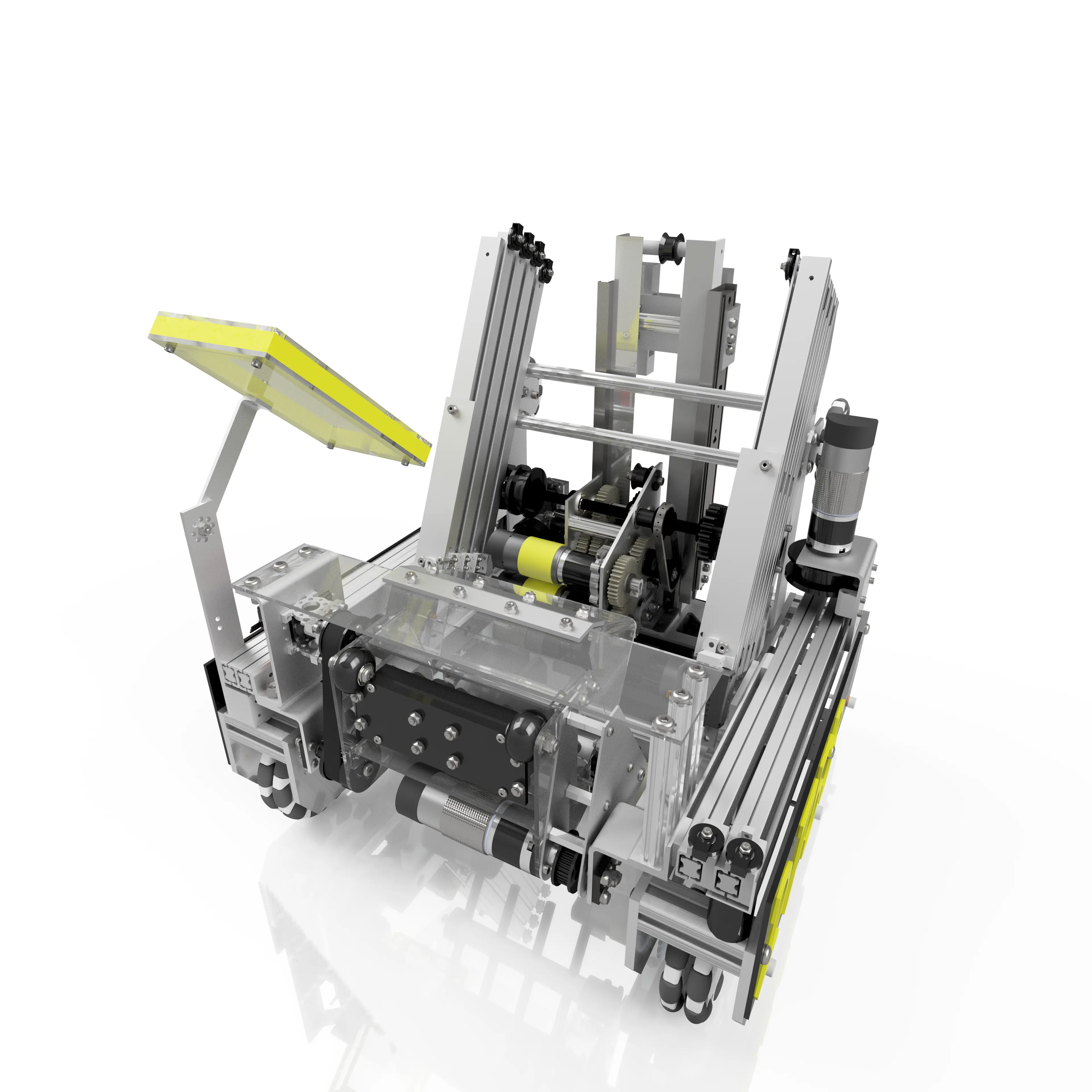
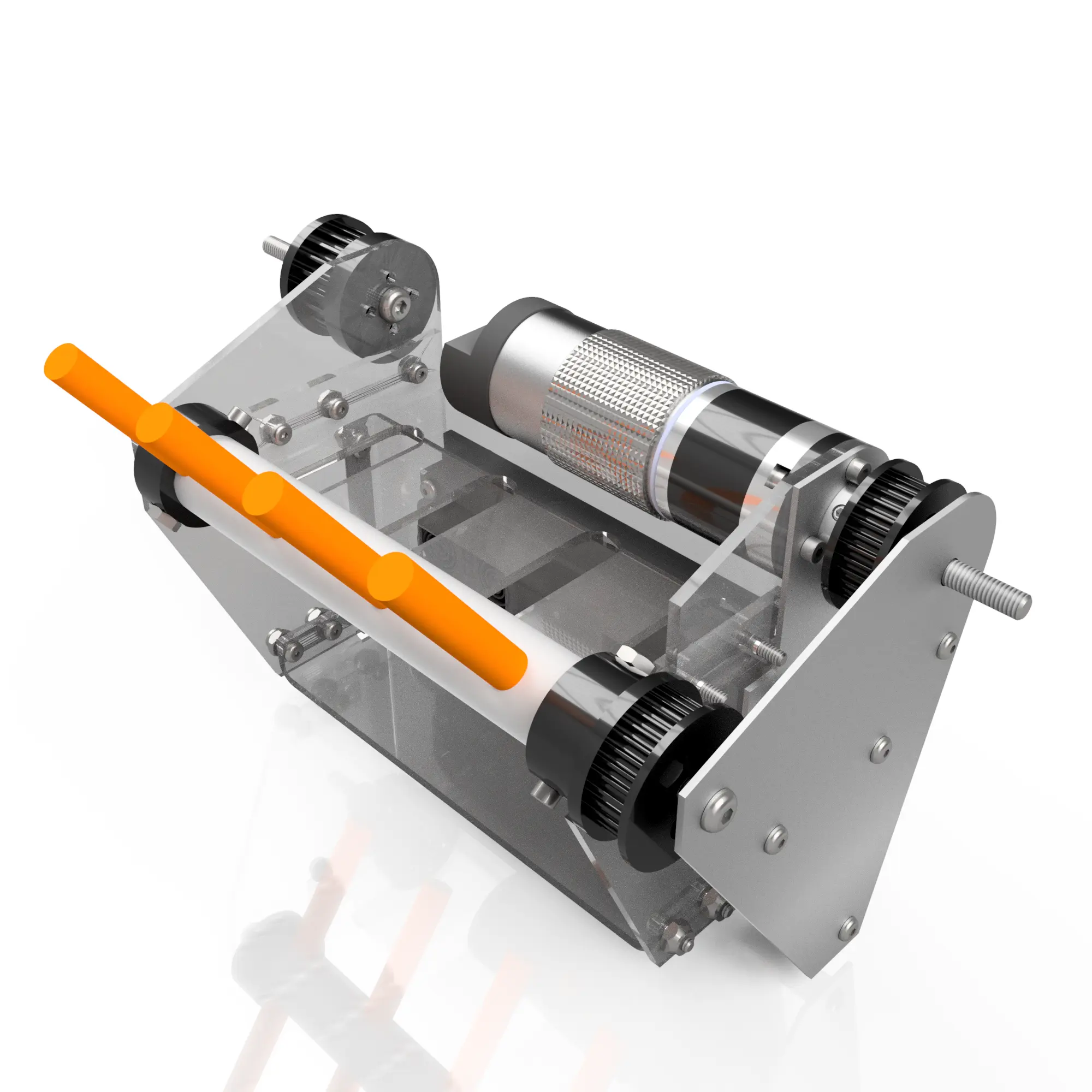
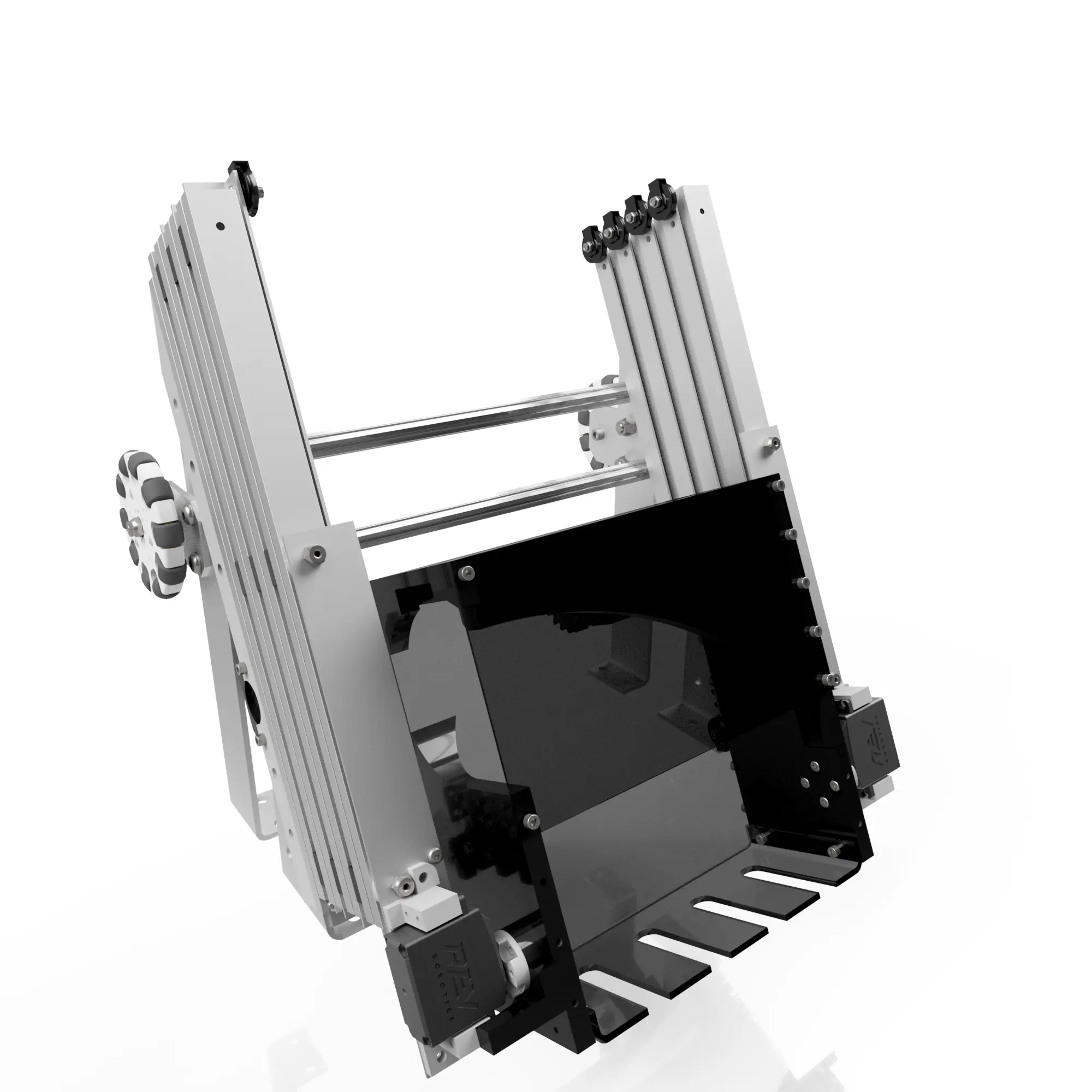
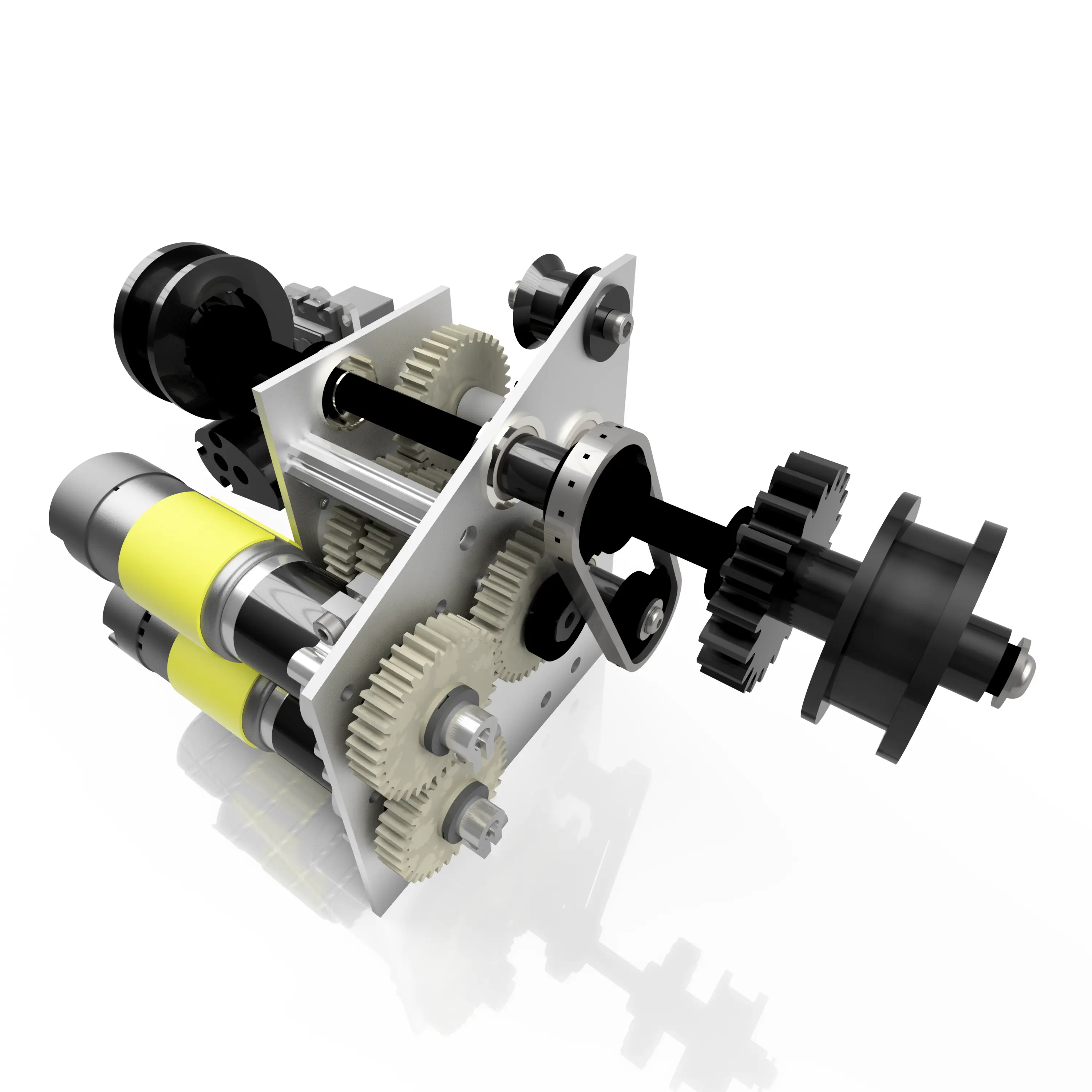
I build technology that meaningfully benefits the physical world. I want to build robots that give people time back, make dangerous work safer, and extend human reach into space.
I study Mechanical Engineering and Robotics at Johns Hopkins and have worked on robotic automation through internships at Zoox and Fulfil. My strength is breaking down problems, working through the math, and getting the solution running.
I enjoy making things work. I specialize in controls := "making robots do things." and bring a generalist’s approach to tackling problems across the stack, from system design to bare metal.
Selected Work
Experience
May 2026 - Aug 2026
Robot Dynamics Simulation Engineer Intern
Zoox
- Developed vehicle-model fidelity metrics using magnitude and phase errors and statistical distribution comparisons to diagnose braking discrepancies; validated metric sensitivity through controlled model-parameter perturbations.
- Designed and deployed a Python vehicle-model validation pipeline that automatically compared simulation against track-test telemetry on every pull request, enabling regression detection between milestone validation sprints.
- Built and deployed a Streamlit dashboard adopted by vehicle dynamics and firmware validation teams to assess model changes and support PR review, with automated reporting and on-demand validation.
Aug 2025 - Present
Undergraduate Researcher
Autonomous Control and Exploration Lab - Johns Hopkins LCSR
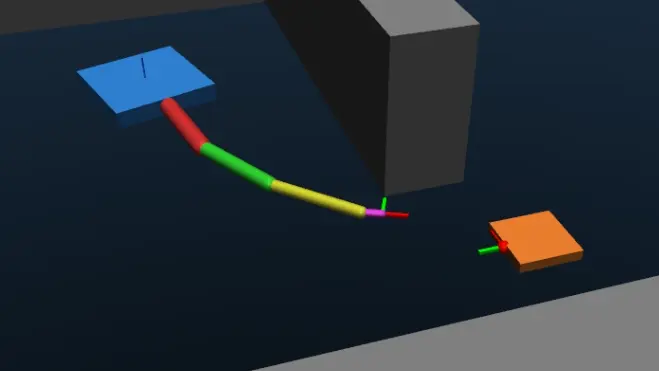
- Built a free-floating satellite manipulation environment in MuJoCo/MJX and adapted Hydrax sampling-based MPC to plan coordinated base-arm motion for autonomous grasping.
- Trained flow-matching policies from MPPI trajectories using Generative Predictive Control; integrated policy warm starts with predictive sampling, reducing planning latency approximately 4× in preliminary simulation evaluations.
- Designed approach and grasping objectives and adapted sphere-based collision penalties to discourage contact with environmental obstacles.
May 2025 - Aug 2025
Suspension Bench Test & Data Analysis Intern
Zoox
- Analyzed three months of production-fleet telemetry, identifying 36% of active-suspension valve cycles as potential reduction opportunities associated with negligible actuator travel or stationary operation.
- Linked intermittent valve jitter to command-signal quantization; evaluated filtering and recommended supplier-supported smooth control and vehicle-state-based suspension gating to reduce unnecessary cycling.
- Implemented a simulated suspension controller in ECU-TEST and executed HIL tests on a rig containing physical suspension hardware and controllers.
Jun 2024 - Aug 2024
Systems Engineering Intern
Fulfil Solutions
- Commissioned grocery induction and storage gantry systems for an initial retail deployment, integrating tray scanning, transfer, and robotic placement into storage racks.
- Calibrated gantry alignment, flashed motor controllers, and diagnosed embedded Linux networking issues; resolved mechanical and electrical integration problems to advance deployment readiness.
Aug 2023 - Jul 2025
Controls & DAQ Systems Integration Engineer
Baja SAE at Johns Hopkins
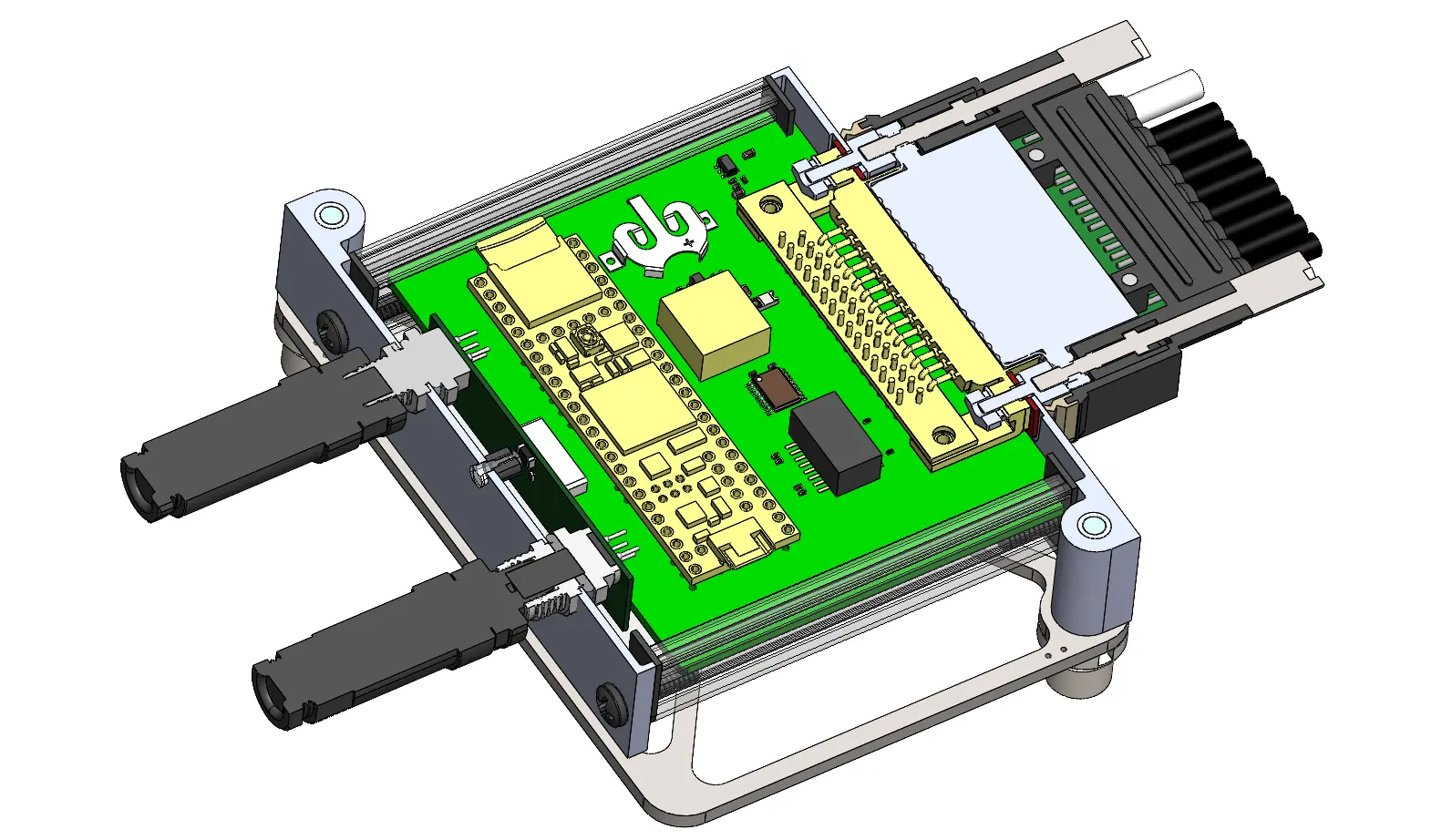
- Integrated vehicle DAQ electronics and wiring harnesses within tight mass and packaging constraints, addressing water and mud ingress, abrasion, and vibration; validated through shop ingress testing and vehicle test-day operation.
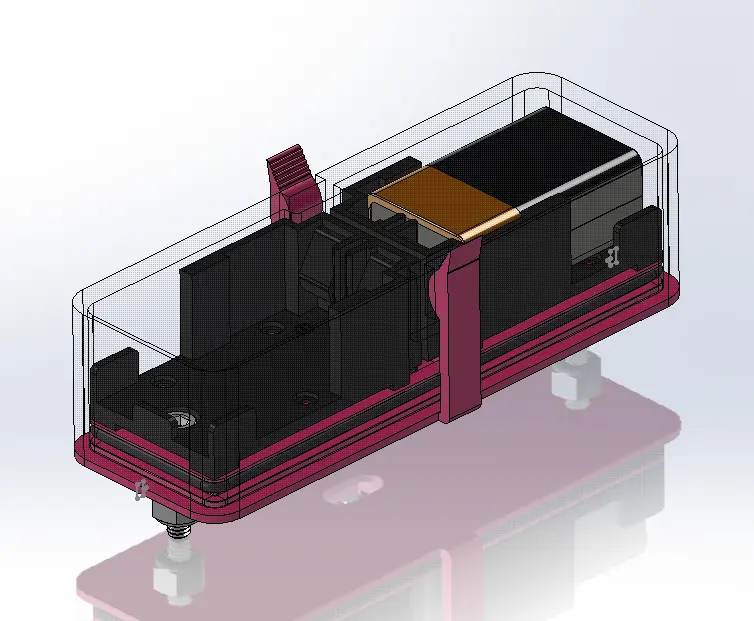
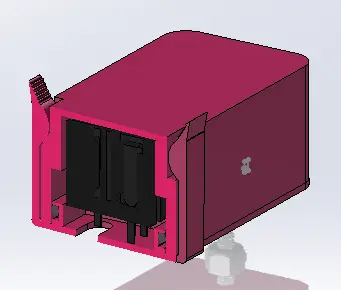
- Designed passive cooling for an enclosed Raspberry Pi using a custom heat spreader and heat pipe coupled to an external heat sink, enabling heat rejection without enclosure ventilation.
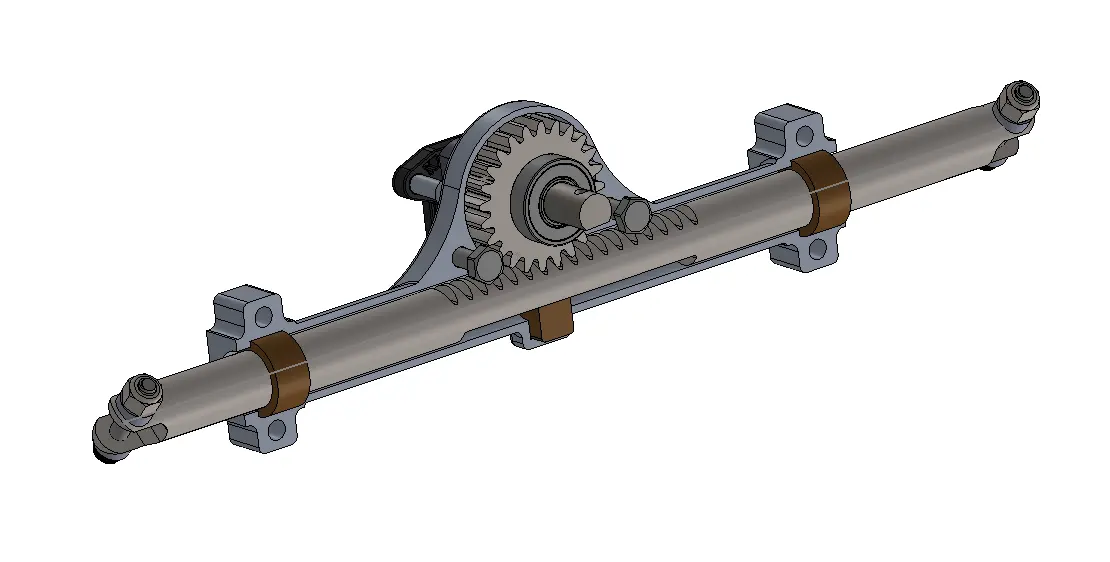
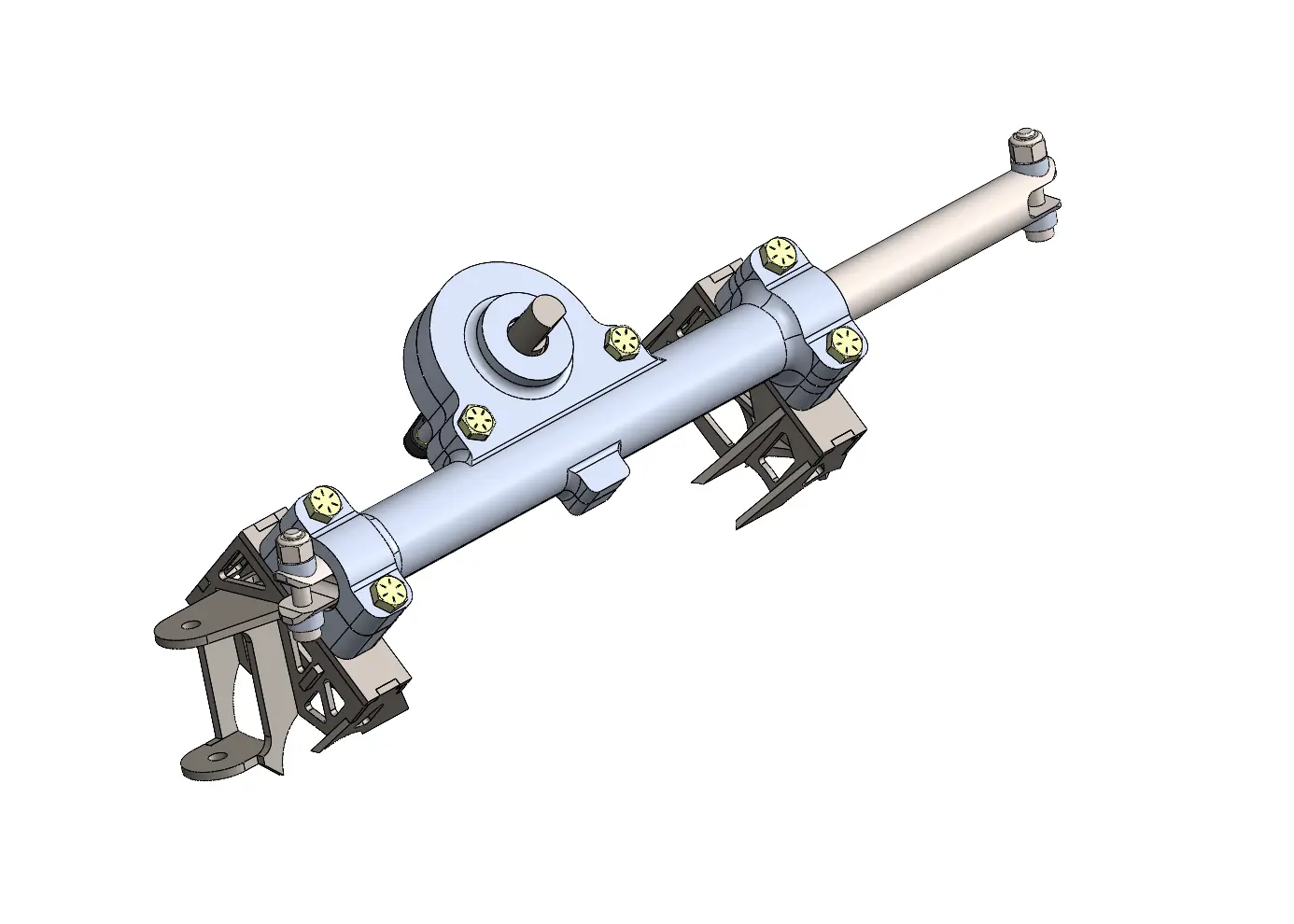
- Designed a lightweight rack-and-pinion steering assembly that was manufactured and raced; addressed housing loads through structural analysis and reduced sensing-system mass by replacing an encoder with a Hall-effect sensor.